Christian Symbol Dove Redwork: A Designer’s Review
As an embroidery designer who has spent countless hours behind the hoop and even more time standing behind a booth table at weekend craft fairs, I look at every new machine embroidery design through a specific lens. It is not just about whether the stitches are clean; it is about whether the design will stop a shopper in their tracks. Today, I am reviewing the Christian Symbol Dove Redwork, a piece that sits squarely in the Religion Faith category but offers versatile appeal for the modern handmade market.
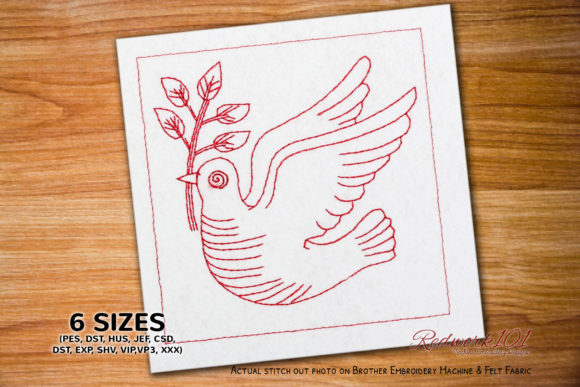
The first impression of this design is one of understated elegance. The term "Redwork" traditionally refers to single-color embroidery, often using red thread on white fabric, which evokes a sense of heritage, farmhouse charm, and timeless simplicity. When I visualize the dove with an olive branch, I see a symbol that is both spiritual and decorative. It does not scream for attention with neon colors or complex shading; instead, it invites a closer look. For craft fair sellers and Etsy sellers, this subtlety is a powerful tool. It feels premium because it relies on line quality and composition rather than flashy effects.
Visual Appeal and Market Positioning
In a crowded marketplace, clarity is king. The Christian Symbol Dove Redwork excels here because the silhouette of a dove is universally recognized. Adding the olive branch reinforces themes of peace and hope, which resonates deeply with buyers looking for meaningful gifts. This is not just a decorative element; it is a conversation starter. When placed on a product, it signals values without being overly preachy, making it suitable for a wide audience within the Christian community and beyond.
From a branding perspective, this design supports a cohesive aesthetic. If your small shop product line focuses on rustic, minimalist, or traditional styles, this embroidery file fits seamlessly. It avoids the clutter that can sometimes plague religious-themed items, offering a clean look that appeals to younger demographics who prefer modern farmhouse decor over ornate, dated styles.
Product Applications for Maximum Sales
Where does this design perform best? In my experience, redwork designs shine on natural fibers. Here is how I would deploy this asset across various craft fair products:
- Tote Bag Design: A canvas tote with a large-scale version of the dove creates an instant statement piece. The contrast of red thread against natural beige or white canvas is striking and photographs beautifully for online listings.
- Tea Towel Embroidery: This is perhaps the most traditional and safest bet. Kitchen towels are impulse buys at craft fairs. A set of two towels, one with the dove and perhaps another with a complementary symbol, makes for an affordable yet thoughtful gift.
- Apron Embroidery: Placing the dove on the bib of a linen apron adds a touch of grace to a functional item. It appeals to home bakers and those who enjoy hosting, aligning the act of service with spiritual symbolism.
- Embroidered Patch: If you offer patches, this design works well if scaled correctly. It allows customers to add a personal touch to jackets or bags without committing to a full garment embroidery.
- Pillow Covers: A centered dove on a square pillow cover creates a focal point for living room decor. It suggests calm and tranquility, which is exactly what buyers want from their home sanctuaries.
For digital sellers, creating a printable mockup showing this design on these varied items is crucial. It helps the buyer visualize the end result, increasing the perceived value of the digital embroidery file.
Production Practicality and Stitch Density
From a production standpoint, redwork is generally efficient. However, we must consider stitch density. Since this is a line-art style design, it should not be overly dense, which means it will sew out quickly. This is vital for batch production when you have fifty orders to fulfill before a holiday rush. Faster stitch times mean lower production costs and higher profit margins.
The description notes that the "Box Stitch shown in picture is optional." This is a significant advantage. It gives you flexibility. You can choose to include the box for a framed, finished look on pillows or wall hangings, or omit it for a more organic feel on tote bags and apparel. The note that the "color of outer Box is different color in most of the designs unless it is part of the design itself" suggests you need to pay attention to your thread chart. As a designer, I recommend testing this specifically. If the box is a separate color stop, ensure you have a contrasting thread ready, or plan to trim and change threads if you want a monochromatic look.
Careful-Use Notes and Technical Considerations
While the design is robust, there are technical nuances to consider before you start stitching your inventory:
- Fabric Texture: Redwork relies on clear lines. Avoid highly textured fabrics like thick terry cloth or loose-weave linens unless you use a strong cut-away stabilizer. The stitches can sink into the pile, losing definition.
- Dark Fabric: Traditional redwork is red on white. If you stitch red on black or navy, the contrast may be insufficient. Consider using white or gold thread if you want to embroider on dark garments, but check your license terms to see if color changes are permitted for commercial use.
- Curved Surfaces: If applying this to caps, remember that the dove’s wings and the olive branch need to sit flat. Use a stiff stabilizer and avoid placing the design too close to the seam where the hoop cannot reach.
- Small Lettering: If the design includes any text (which is not explicitly stated but common in faith designs), ensure it is legible at smaller sizes. If this is purely graphical, you avoid the risk of tiny, unreadable letters.
- Hoop Size: Confirm the required hoop size before purchasing. A design that requires a 5x7 hoop limits your ability to use smaller 4x4 machines. Check the file details carefully.
Enhancing Brand Consistency and Buyer Engagement
Using the Christian Symbol Dove Redwork consistently across your product line strengthens your brand identity. When a customer sees the same elegant dove on a tote bag, a tea towel, and a patch, they recognize your shop’s signature style. This consistency builds trust and encourages repeat purchases.
Furthermore, this design aids in booth display strength. A table filled with varied items featuring a unified motif looks curated and professional, rather than like a random assortment of goods. It draws the eye and creates a cohesive visual narrative that speaks to quality and intention.
Final Designer Recommendations
Before you commit to full production, follow these steps to ensure success:
- Test on Scrap Fabric: Always stitch a test sample on the exact fabric you intend to sell. Check for puckering or thread breaks.
- Check Thread Contrast: Ensure your chosen thread color pops against the fabric. High contrast is key for redwork.
- Review Spacing: Look at the spacing between the dove and the olive branch. Ensure there are no jump stitches that are too long, which could snag during use.
- Confirm Commercial Licensing: Before selling any finished product, verify that your purchase of the embroidery file includes a commercial license. This is non-negotiable for ethical business practices.
- Create Real Mockups: Photograph your stitched samples in natural light. These images will serve as your primary marketing assets on Etsy and social media.
In conclusion, the Christian Symbol Dove Redwork is a strong contender for any embroidery business owner focusing on faith-based or rustic home decor markets. Its simplicity is its strength, offering ease of production and broad aesthetic appeal. By paying attention to fabric choice and stitch presentation, you can turn this digital asset into a best-selling craft fair product that resonates with customers seeking peace, beauty, and meaning in their everyday items.