Christian Design Cross: A Designer’s Review for Craft Fairs
As an embroidery designer who has spent countless hours hooping, stitching, and troubleshooting designs for real-world sales, I approach every new machine embroidery design with a critical eye. It is not just about how it looks on the screen; it is about how it performs in the chaotic, high-energy environment of a weekend craft fair. Recently, I evaluated the Christian Design Cross, a digital asset aimed at creating beautiful Christian projects. My goal was to determine if this specific motif could anchor a profitable booth display for baptism gifts, everyday faith-based wear, and home decor.
First Impressions: Versatility Meets Faith
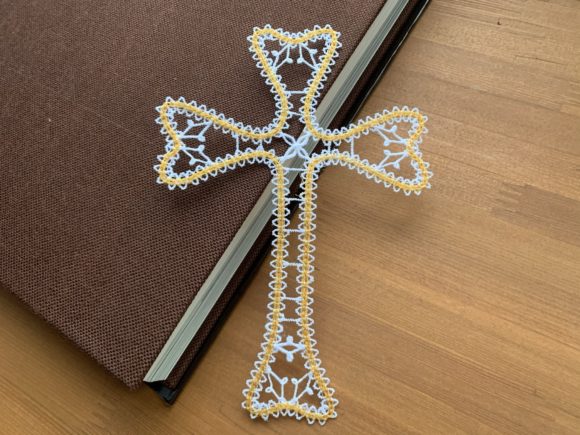
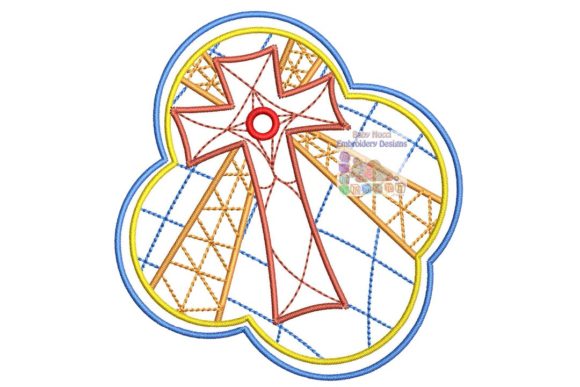
The initial appeal of the Christian Design Cross lies in its described versatility. The product notes state it will look great on towels, T-shirts, sweatshirts, and virtually any fabric. From a design perspective, this suggests a balanced aesthetic that is neither overly ornate nor too minimal. For a craft fair seller, this is crucial. You need a design that reads clearly from three feet away but still holds up to close inspection. This cross appears to strike a balance between traditional reverence and modern simplicity, making it suitable for a wide demographic ranging from young parents seeking baptism keepsakes to older customers looking for subtle faith expressions on home goods.
When I visualize this design on a table, I do not see it as a niche item limited to church holidays. Instead, I see it as a staple handmade product that can be rotated through different seasons. Whether stitched in crisp white thread on navy blue or in vibrant colors on natural linen, the cross serves as a universal symbol that transcends trends. This timeless quality is what makes it a safe yet powerful addition to your design assets.
Product Applications for Maximum Sales
To truly evaluate the commercial potential of this embroidery file, we must look at where it shines brightest. Based on my experience with similar motifs, here is how the Christian Design Cross performs across various popular craft fair items:
- Tea Towel Embroidery: This is arguably the strongest application. Kitchen textiles are impulse buys at markets. A cross stitched on the corner of a flour sack towel creates an elegant, giftable item that feels premium without a high production cost.
- Tote Bag Design: Canvas totes are ubiquitous. Placing this design centrally or on the pocket adds immediate value. It transforms a generic bag into a statement piece for church goers or daily commuters who wish to display their faith subtly.
- Apron Embroidery: For the home chef or the church volunteer, an embroidered apron is a thoughtful gift. The design’s placement on the bib or waistband can elevate a simple cotton apron into a cherished heirloom.
- Embroidered Patch: If the design scales down well, turning it into an iron-on or sew-on patch allows customers to customize their own jackets and bags. This appeals to the younger demographic and increases the perceived utility of the purchase.
- Baptism Keepsakes: Given the product category, this design is perfect for christening gowns, burp cloths, or small pillow covers. These items command a higher price point because they are tied to significant life events.
For an Etsy seller or boutique maker, these applications provide a diverse inventory. You are not just selling one item; you are selling a cohesive collection centered around a single, strong visual theme.
Production Practicality and Stitch Quality
While the aesthetic is promising, the practical side of production determines your profit margin. The description mentions suitability for any fabric, but experienced stitchers know that stitch density and fabric texture play pivotal roles. When preparing this digital embroidery file for batch production, consider the following technical aspects:
First, assess the density. If the cross features solid filled areas, it may require a cut-away stabilizer to prevent puckering, especially on lighter fabrics like T-shirts. Conversely, if it is primarily satin stitch or running stitch, a tear-away stabilizer might suffice for towels. Always test the design on scrap fabric before committing to your final inventory. Check how the thread colors interact with the background. High contrast is key for visibility in a busy market setting.
Another critical factor is the hoop size. Ensure the design fits comfortably within your standard hoops without requiring excessive re-hooping, which slows down production. For a small shop product, efficiency is vital. If the design is too large, it may not fit on smaller items like pouches or caps. If it is too small, intricate details might get lost, particularly on textured towels where the pile can obscure fine stitching.
Navigating Fabric Challenges
Textured fabrics, such as terry cloth towels or thick sweatshirts, present unique challenges. The Christian Design Cross must have clear, bold lines to remain legible on these surfaces. Avoid designs with tiny lettering or microscopic details if you plan to stitch on plush materials. Additionally, when working with dark fabrics, ensure you use high-quality, bright threads to make the cross pop. A muted thread on a dark garment will disappear, reducing the visual impact and perceived value of the finished product.
Marketing and Visual Appeal
In a craft fair environment, your booth display is your silent salesman. The Christian Design Cross offers strong visual appeal because of its recognizable shape. Humans are drawn to symmetry and familiar symbols. By featuring this design on a variety of items—perhaps a stack of towels, a hanging apron, and a displayed tote—you create a cohesive brand story. This consistency helps buyers instantly understand your niche.
For online listings, this design photographs beautifully. Create at least one real printable mockup or staged photo showing the embroidery in a lifestyle setting. Show the towel draped over a kitchen handle or the tote bag being carried. These images help remote buyers visualize the scale and quality of the commercial embroidery. Remember, customers cannot touch the product online, so your photos must convey the texture and precision of the stitches.
Essential Pre-Production Checklist
Before you launch this design into your product line, take these professional steps to ensure quality and compliance:
- Verify Licensing: Confirm that your purchase of the digital embroidery file includes commercial rights. Never assume; always check the license terms to protect your business.
- Test on Multiple Fabrics: Stitch the design on cotton, polyester, and terry cloth. Note any issues with puckering or thread breaks.
- Check Stabilizer Compatibility: Match the stabilizer to the fabric weight. Incorrect stabilization is the most common cause of poor-quality embroidery.
- Evaluate Thread Contrast: Ensure the thread color stands out against the fabric. Test both monochromatic and contrasting combinations.
- Inspect Detail Clarity: Look closely at the stitched sample. Are the edges clean? Are there any jumps or loose threads that need trimming?
By treating the Christian Design Cross with this level of professional scrutiny, you transform a simple digital file into a reliable revenue stream. It is not just about stitching a cross; it is about creating a craft fair product that resonates with customers, withstands the rigors of daily use, and reflects the high standards of your handmade brand. Whether you are an experienced Etsy seller or a newcomer to the market, this design offers the flexibility and emotional connection needed to drive sales in the faith-based and gift sectors.