Christian Design Church: A Pro Review
As an embroidery designer who has spent years digitizing logos and testing files for small business clients, I approach every new machine embroidery design with a critical eye. It is not just about whether the artwork looks pretty on a screen; it is about how it performs in the real world of commercial production. Recently, I evaluated the Christian Design Church file to determine its viability for branded merchandise, staff uniforms, and boutique retail items. This review is written specifically for shop owners, Etsy sellers, and apparel decorators who need reliable, high-quality assets for their small business merch.
First Impressions and Visual Personality
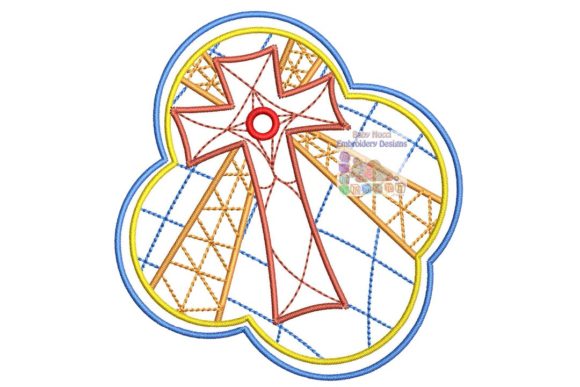
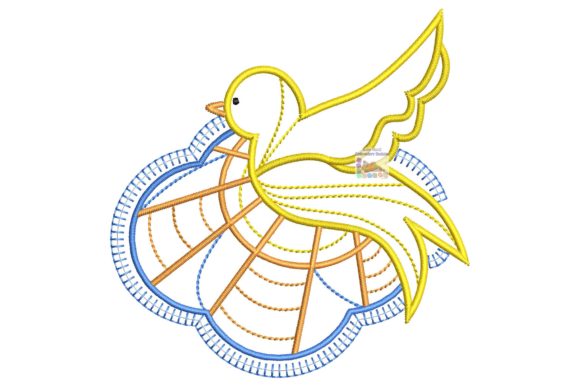
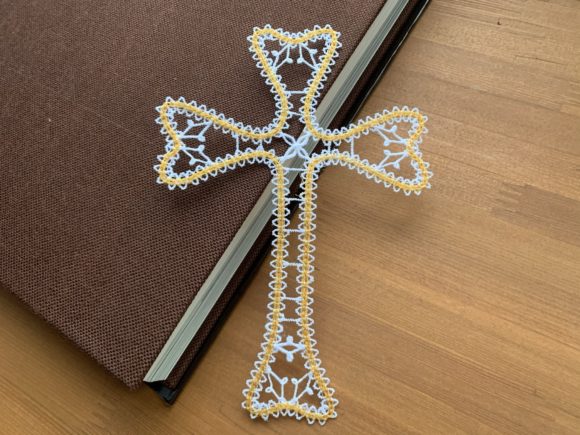
The immediate impression of the Christian Design Church design is one of warmth and approachability. Based on the product description, which highlights its suitability for creating beautiful Christian projects, the aesthetic leans toward the classic and decorative rather than the ultra-modern or minimalist. For a faith-based organization, a local ministry, or a Christian-owned boutique, this visual personality is crucial. It feels friendly and inviting, which helps build an emotional connection with the customer.
However, from a technical standpoint, "friendly" designs can sometimes lack the boldness required for long-distance visibility. When reviewing this for potential use as a primary logo on a storefront sign or a large banner, I looked for strong lines and clear spacing. The design appears to balance elegance with readability, making it a strong candidate for items where the viewer is in close proximity, such as tote bags, aprons, and handheld products.
Real-World Applications for Small Businesses
The versatility of this embroidery file is its strongest asset for commercial use. The description notes that it looks great on towels, t-shirts, and sweatshirts, but I want to expand on how this translates to specific business scenarios.
- Staff Uniforms and Aprons: For Christian bookstores, cafés, or bakeries, apron embroidery adds a layer of professionalism. Placing this design on the chest pocket area of a denim or canvas apron creates a cohesive brand look. The design’s likely moderate complexity ensures it does not become too stiff or heavy on flexible fabrics.
- Branded Patches: One of the most trending items in custom apparel right now is the embroidered patch. This design could be scaled down to create iron-on or sew-on patches for jackets and hats. Patches allow businesses to sell merchandise without committing to large runs of printed shirts, reducing inventory risk.
- Tote Bags and Event Merch: A tote bag design featuring this motif serves as a walking advertisement. Whether used for church events, baptism celebrations, or community outreach, the design acts as a subtle yet clear identifier of the organization’s values.
- Baptism and Gift Items: Given the product category is listed as Baptism, this design is perfectly suited for commemorative items. Think along the lines of personalized white robes, keepsake towels, or soft blankets. In these contexts, the softness of the stitch work matters more than bold contrast.
Technical Considerations and Placement Strategy
While the aesthetic appeal is high, any experienced embroiderer knows that placement and technique make or break the finished product. Here are the critical areas where you must exercise caution when using Christian Design Church.
Cap Embroidery and Curved Surfaces
Using this design for cap embroidery requires careful attention to hoop size and push-pull compensation. Caps have a curved, structured surface that can distort intricate details. If the design contains fine lettering or tight curves, it may pucker or lose definition on a baseball cap front. I recommend running a test stitch-out on a similar cap material before committing to a full production run. If the design is too wide, consider splitting elements or simplifying the layout for headwear.
Stitch Density and Fabric Texture
The mention of "any fabric or clothes" in the description is optimistic, but in practice, fabric texture plays a huge role. On thick towels, a low-density design might get lost in the pile. On thin performance t-shirts, high stitch density can cause tunneling or stiffness. For delicate fabrics, using a cut-away stabilizer is non-negotiable to maintain the integrity of the design. Always check if the file includes multiple density versions or if you need to adjust your machine settings accordingly.
Small Scale Legibility
If you plan to use this as a small chest logo on a polo shirt or a sleeve detail, verify the minimum readable size. Complex religious symbols or script fonts often require a larger hoop to remain legible. If the design shrinks below a certain threshold, the threads may merge, turning distinct lines into a blob. Always create a printable mockup at actual size to check for clarity before stitching.
Impact on Brand Identity and Customer Trust
Consistency is key to building brand identity. Using a high-quality digital embroidery file like Christian Design Church signals professionalism. Customers subconsciously associate clean, well-executed embroidery with higher value. A sloppy or poorly digitized logo can undermine trust, whereas a crisp, balanced design enhances the perceived quality of the item.
For handmade brands and Etsy sellers, this design serves as a vital design asset. It allows for the creation of cohesive product lines. For example, matching tote bags, mugs (with printed counterparts), and shirts create a unified visual experience. This consistency helps in customer recognition and encourages repeat purchases. Furthermore, offering embroidered items rather than just printed ones can justify a higher price point, increasing profit margins for small businesses.
Practical Designer Notes for Production
Before you load this file into your machine for a client order or personal stock, follow these essential steps to ensure success:
- Test in Black and White: Before selecting your final thread colors, stitch the design out in black thread on white fabric. This reveals the true structure and spacing of the stitches without the distraction of color. It helps identify any potential registration issues.
- Verify Commercial Licensing: The product description mentions creating beautiful projects, but it does not explicitly detail the license terms. Always confirm that you have the right to use the file for commercial embroidery sales. Some designers require an extended license for mass production or physical goods sales.
- Check File Formats: Ensure the download includes the format compatible with your specific machine (e.g., PES, DST, JEF). The description does not list exact formats, so check the product page carefully to avoid conversion errors that can degrade quality.
- Use Proper Stabilizer: Match your stabilizer to your fabric. Use tear-away for stable woven fabrics like cotton twill, and cut-away for stretchy knits or items that will undergo frequent washing, such as staff uniforms.
- Create Client Mockups: If you are doing this for a client, provide a digital printable mockup showing the design on the intended garment. This manages expectations and allows for approval before you waste thread and time on physical samples.
In conclusion, Christian Design Church offers a charming and versatile option for faith-based branding and special occasion Embroidery. Its strength lies in its ability to convey warmth and tradition, making it ideal for community-focused businesses and personal gifts. However, success depends on respecting the technical limitations of embroidery. By testing on actual fabrics, choosing the right stabilizers, and verifying licensing, you can transform this digital file into a profitable and professional physical product. Whether for a baptism gift or a café uniform, this design has the potential to elevate your brand presentation when handled with care.