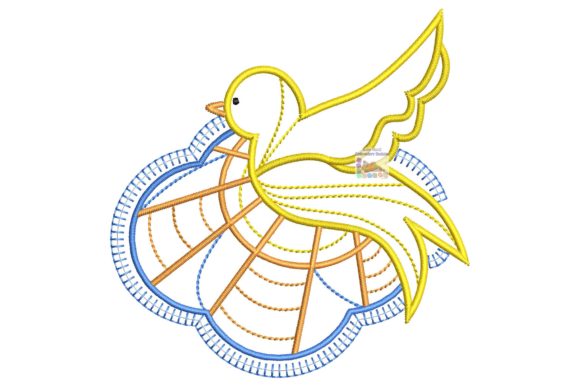
Review: Christian Design Dove for Business Merch
As an embroidery designer who has spent years digitizing and reviewing files for commercial use, I approach every new machine embroidery design with a critical eye. It is not just about whether the image looks pretty on a screen; it is about how that design performs when stitched out on real fabric, worn by customers, or displayed in a retail setting. Recently, I evaluated the Christian Design Dove, a digital asset marketed for creating beautiful Christian projects. For small business owners, boutique operators, and apparel decorators, understanding the practical application of this design is crucial before adding it to your library of design assets.
First Impressions: Visual Personality and Brand Fit
The initial appeal of the Christian Design Dove lies in its versatility. Based on the product description, which highlights its suitability for towels, t-shirts, and sweatshirts, the design appears to lean toward a classic, elegant aesthetic rather than a overly modern or abstract interpretation. For businesses operating within the faith-based market, such as bookstores, churches, or Christian lifestyle brands, this visual personality is essential. It feels professional and respectful, avoiding the pitfalls of being too playful or casual, which might undermine the seriousness of the subject matter.
When considering brand identity, a dove symbolizes peace, purity, and spirit. Using this motif on your merchandise can instantly communicate these values to your customer base. However, the success of this communication depends on the execution. A well-digitized dove should have smooth curves and clean lines. If the design is too cluttered, it loses its elegance. If it is too sparse, it may look unfinished. The key is finding that balance where the design feels premium and intentional, enhancing the perceived value of the finished product.
Real-World Applications for Small Business Merch
For the handmade seller or the custom apparel shop, the Christian Design Dove offers several lucrative avenues for monetization. Let us look at how this design performs across different product categories.
- Embroidered Patches: This is perhaps the most versatile application. A dove patch can be ironed onto denim jackets, canvas tote bags, or even laptop sleeves. Patches allow customers to customize their own items, increasing engagement. Ensure the border of the design is dense enough to prevent fraying if cut as a patch.
- Apron Embroidery: For bakeries, florists, or craft studios that want to add a touch of grace to their staff uniforms, placing this design on the chest pocket of an apron creates a sophisticated look. It signals care and attention to detail, qualities customers associate with high-end handmade goods.
- Cap Embroidery: Front-panel cap designs require simplicity. If the Christian Design Dove has intricate feather details, it might need simplification for a curved cap front. However, a simplified version can serve as a subtle, stylish accent that appeals to a younger demographic looking for faith-inspired fashion.
- Tote Bag Design: Canvas totes are a staple for eco-conscious brands. Stitching this design in a contrasting thread color on a natural canvas bag creates a rustic, organic feel that aligns well with current trends in sustainable fashion.
Additionally, this design fits perfectly within the Baptism category. Baby blankets, christening gowns, and keepsake towels are high-margin items for niche retailers. The softness associated with a dove complements the delicate nature of baby textiles, making it a strong seller for seasonal or event-specific collections.
Technical Considerations and Production Challenges
While the aesthetic potential is high, technical execution is where many small businesses stumble. Before running a full production batch, you must address several physical constraints of embroidery.
Stitch density is a primary concern. If the design is too dense, it can cause puckering, especially on lighter fabrics like t-shirts or silk blends. Conversely, if the density is too low, the underlying fabric may show through, ruining the visual impact. I always recommend testing the embroidery file on a scrap piece of the exact fabric you intend to use. This helps you determine if a cut-away or tear-away stabilizer is necessary. For stretchy materials like sweatshirts, a cut-away stabilizer is usually non-negotiable to maintain shape after washing.
Another critical factor is hoop size. The product description mentions it works on various clothes, but it does not specify the maximum dimensions. You must verify the hoop size compatibility with your machine. If the design is large, you may need a multi-position hoop or a larger frame. For small business owners using single-needle home machines, ensuring the design fits within a standard 4x4 or 5x7 hoop without resizing distortions is vital.
Color contrast also plays a significant role. A white dove on a white towel will vanish. You need to plan your thread colors strategically. Consider using off-white, cream, or light gray threads on white fabrics to create subtle depth. On dark uniforms, a bright white or metallic thread can make the design pop, but ensure the underlay stitches are sufficient to prevent the dark fabric from bleeding through the lighter top stitches.
Strategic Use for Brand Trust and Recognition
Incorporating the Christian Design Dove into your product line is not just about decoration; it is a strategic move for brand identity. Consistency is key. If you use this design on your packaging, your social media graphics, and your physical products, you create a cohesive brand experience. This consistency builds trust. Customers recognize the symbol and associate it with the quality of your work.
For Etsy sellers and online merchants, creating a printable mockup featuring this design can significantly boost click-through rates. Show the design on a variety of items—a mug, a shirt, a wall hanging—to help customers visualize the end result. This reduces hesitation and increases conversion rates. Furthermore, offering this design as part of a bundled collection of commercial embroidery assets can increase the average order value for digital file buyers.
Designer Notes: Best Practices for Implementation
To ensure the best results with the Christian Design Dove, follow these practical steps before committing to large-scale production:
- Test in Monochrome: Stitch the design out in black and white first. This reveals any issues with spacing, jump stitches, or density that color might hide. If it looks good in black and white, it will look great in color.
- Check Small Scale Legibility: If you plan to use this as a small logo on a sleeve or a hat, stitch a mini version. Detailed outlines can merge together at small sizes, turning a beautiful dove into an unintelligible blob. Simplify if necessary.
- Verify Licensing: The product description mentions creating beautiful projects, but it does not explicitly detail the commercial license terms. Always confirm that your purchase includes the right to sell finished physical goods. Some digital files are for personal use only. Protect your business by clarifying this before selling.
- Fabric Texture Matters: Test on both smooth and textured fabrics. Towels, as mentioned in the description, have a high pile. You may need a topping stabilizer to keep the stitches from sinking into the loops of the towel.
- Client Approval Mockups: If you are doing custom work for a client, send them a digital mockup and a photo of a test stitch-out. This manages expectations and prevents disputes over the final look.
In conclusion, the Christian Design Dove is a promising addition to any embroidery designer’s toolkit, particularly for those serving faith-based or boutique markets. Its potential for use in custom apparel, patches, and home goods is significant. However, its success relies entirely on proper technical handling. By paying attention to stabilizer choice, thread contrast, and scale, you can transform this digital file into a high-value physical product that enhances your brand and delights your customers. Always prioritize quality control and licensing compliance to ensure your small business continues to thrive in the competitive world of handmade product sales.