Jesus Christ: A Designer’s Review for Craft Fairs
As an embroidery designer who has spent countless hours hooped up and threading needles, I know that not every design translates well from a digital screen to a physical product. When I first loaded the Jesus Christ machine embroidery design into my software, I was looking for more than just aesthetic appeal. I was evaluating its potential as a high-converting craft fair product. For Etsy sellers, boutique makers, and handmade shop owners, the difference between a design that sits idle and one that flies off the table often comes down to clarity, emotional resonance, and production practicality.
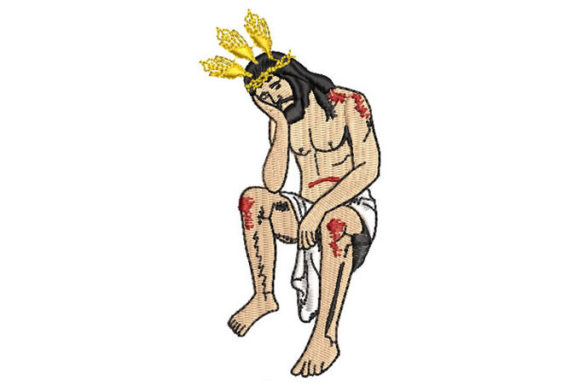
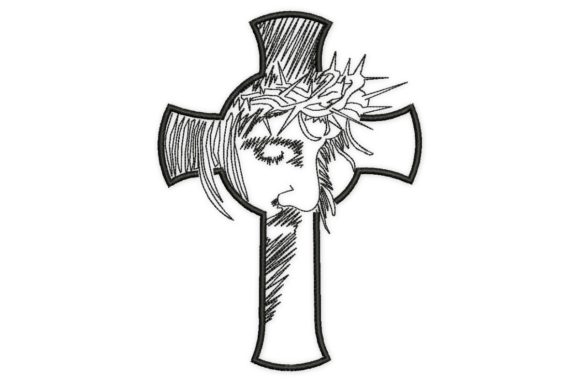
This unique embroidery of Jesus Christ is described as meaningful and beautifully designed, promising to stitch out perfectly on any religious item. In the competitive niche of Religion Faith, having a design that balances reverence with modern craftsmanship is essential. Here is my professional assessment of how this design performs in a real-world retail environment.
First Impressions and Visual Appeal
The immediate impression of the Jesus Christ design is one of elegance and warmth. It does not rely on overly complex, dense stitch areas that can puckers fabric, nor does it feel too minimal to lack impact. Instead, it strikes a balance that feels both premium and approachable. For a weekend craft fair booth, visual stopping power is critical. Customers walking past your display need to understand the theme instantly. This design achieves that by offering a clear, recognizable depiction that evokes a sense of peace and tradition.
When considering the mood, this piece leans towards the decorative and soft side of the spectrum. It is not loud or trendy in a fleeting way; rather, it possesses a timeless quality that appeals to a broad demographic. Whether your brand identity is rustic, farmhouse, or modern minimalist, this design adapts well because it focuses on the subject matter without excessive clutter. This versatility is a huge advantage for creative entrepreneurs who need to maximize their inventory with fewer SKUs.
Product Application and Market Fit
To determine the best use for this digital embroidery file, I mentally placed it on various blank products commonly sold at handmade markets. The results were telling.
- Tote Bags and Market Bags: This is arguably the strongest application. A tote bag offers a large, flat canvas that allows the design to breathe. As a tote bag design, it becomes a statement piece. Shoppers love items that express their values, and carrying a bag with this imagery serves as a subtle yet proud declaration of faith. It photographs beautifully for online listings, allowing the texture of the thread to catch the light.
- Apron Embroidery and Tea Towel Embroidery: Kitchen textiles are staples of the craft fair circuit. Placing this design on a high-quality linen apron or a waffle-weave tea towel adds a layer of sanctity to everyday tasks. However, attention must be paid to fabric texture. On textured towels, ensure the stitch density is sufficient to cover the weave without sinking in, but not so dense that it creates a stiff, cardboard-like feel.
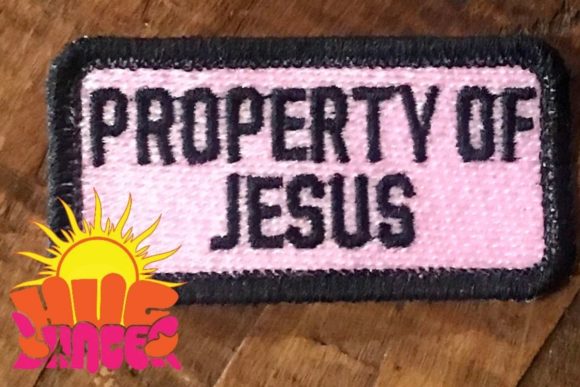
- Embroidered Patches and Caps: For smaller items, scale is key. If you plan to create an embroidered patch or decorate a cap, you must verify the hoop size compatibility. Curved cap surfaces can distort designs if they are too wide. This design works well as a focal point on a patch, provided the tiny details remain distinct when scaled down. It is less suitable for small accents where clarity might be lost.
- Pillow Covers and Pouches: These make excellent small shop product additions. They are lower price-point items that serve as impulse buys. The meaningful nature of the design elevates the perceived value of a simple cotton pouch, turning it into a giftable handmade item.
Production Practicality for Sellers
For embroidery business owners, time is money. A design that requires constant troubleshooting or frequent re-hooping is a bottleneck. The description notes that this machine embroidery design comes with multiple embroidery file formats, which is a crucial feature for commercial embroidery operations. It ensures compatibility with various machines, whether you are running a single-needle home setup or a multi-head commercial unit.
One of the standout features for batch production is the repeatability of the design. Because it is described as stitching out perfectly, it suggests a well-digitized path with minimal jumps and trims. This efficiency allows you to produce a stack of finished products quickly. However, always check the stitch density. High-density areas can cause needle breaks or thread tension issues if not managed with the right stabilizer. For dark fabrics, consider using a lighter thread color for contrast, or ensure the underlay stitches are robust enough to prevent the background fabric from showing through.
Photography is another major selling point. This design appears to have good dimensionality, which translates well in photos. For your Etsy seller profile or social media marketing, create at least one real mockup rather than relying solely on digital renderings. Show the thread sheen and the texture of the fabric. A printable mockup can help visualize placement, but nothing sells a handmade product like a crisp, well-lit photo of the actual stitched item.
Designer Notes and Quality Control
Before you commit to producing a full inventory, follow these professional steps to ensure quality consistency:
- Test on Scrap Fabric: Never run a new design directly on your final product. Stitch it out on the same type of fabric you intend to sell. Check for puckering, especially if using lightweight materials like voile or thin cotton.
- Check Thread Contrast: The choice of thread colors can make or break the design. Ensure there is enough contrast between the thread and the fabric so the image is readable from a distance. Soft, muted tones may look elegant but can vanish on busy backgrounds.
- Review Spacing and Hoop Size: Confirm that the design fits comfortably within your hoop size with adequate margin for clamping. Crowding the edges can lead to misalignment.
- Use the Right Stabilizer: For stretchy fabrics like jersey caps or tote bags, a cut-away stabilizer is often necessary to maintain shape. For woven tea towels, a tear-away might suffice, but test first.
- Confirm Commercial Licensing: Always verify the license terms included with the design assets. Ensure you have the right to sell finished products made with this digital embroidery file. This protects your business and respects the creator's work.
Boosting Brand Consistency and Engagement
Incorporating Jesus Christ into your product line can significantly enhance your booth display strength. It signals to customers that your brand values quality and meaning. When buyers see a well-executed religious design, they often associate it with care and intentionality, which increases buyer engagement. It invites conversation, allowing you to share the story behind the piece or the inspiration for your collection.
Furthermore, this design supports brand consistency if your shop focuses on faith-based or inspirational goods. It pairs well with other design assets in the Religion Faith category, allowing you to create cohesive collections. For example, matching tote bags and pouches featuring complementary scriptures or symbols can encourage bundle purchases.
Ultimately, the success of this design lies in its execution. By paying attention to fabric choice, stabilizer selection, and presentation, you can transform a digital file into a cherished handmade product. Whether you are a Cricut and embroidery crafter expanding into stitched goods or a seasoned embroidery business owner looking for fresh inventory, this design offers a reliable, beautiful option for your next craft fair. Remember, the goal is not just to sell an item, but to offer a piece of art that resonates with the customer’s spirit. With careful production and strategic marketing, this embroidery design can become a staple in your shop.