Review: Christmas Nativity Embroidery File for Business
As an embroidery designer who has spent years digitizing and testing files for commercial use, I approach every new digital embroidery file with a critical eye. It is not enough for a design to look pretty on a screen; it must perform flawlessly under the needle, withstand washing, and elevate the brand it represents. Recently, I evaluated the Christmas Nativity Embroidery File, a religious scene embroidery design intended for machine embroidery. My goal was to determine if this asset could serve as a viable component for small business merchandise, branded patches, and seasonal product lines.
First Impressions: Visual Personality and Brand Fit
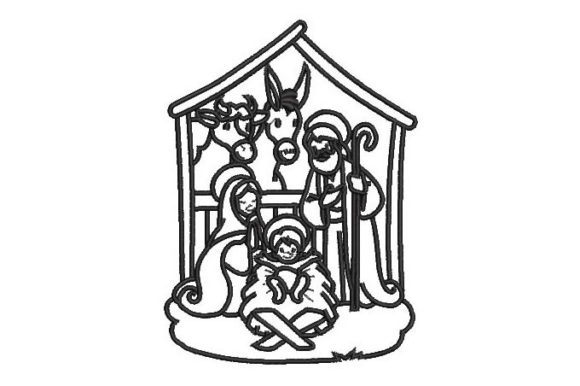
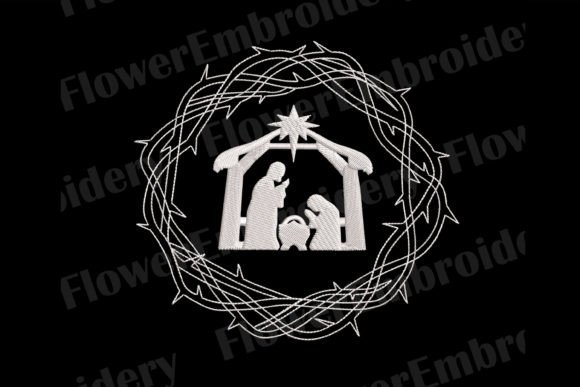
The first thing you notice about the Christmas Nativity Embroidery File is its classic and elegant aesthetic. Unlike playful or modern interpretations of holiday imagery, this design leans into tradition. For small business owners, particularly those in boutique retail, bakeries, florists, or creative studios, this visual personality is crucial. It communicates warmth, reverence, and quality. When I reviewed the illustration depicted in the file, it felt less like a generic clipart and more like a curated piece of art suitable for premium branding.
For handmade brands and Etsy sellers, the "handmade" feel of a well-digitized nativity scene can significantly enhance perceived value. It suggests that the final product is thoughtful and crafted with care. However, designers must ensure that the complexity of the religious scene does not overwhelm the substrate. The balance between detail and clarity is where many designs fail, but this file appears to prioritize recognizable silhouettes and clean lines, which is essential for professional results.
Real-World Applications for Small Business Merch
When considering how to integrate the Christmas Nativity Embroidery File into your inventory, versatility is key. Here is how this design performs across various commercial embroidery projects:
- Embroidered Patches: This is perhaps the strongest use case. A nativity scene works beautifully as a standalone patch that customers can iron or sew onto jackets, bags, or hats. Patches allow you to pre-produce inventory without committing to specific garment colors, reducing risk for small business merch operations.
- Apron Embroidery: For bakeries, cafes, and florists, branded aprons are walking advertisements. Placing this design on the chest or lower corner of a high-quality canvas apron adds a touch of seasonal elegance that aligns with customer-facing hospitality roles.
- Tote Bag Design: Holiday shoppers love reusable bags. Embroidering this scene on a natural cotton tote creates a high-end gift item. The texture of the fabric complements the thread, giving the finished product a rustic, authentic feel.
- Cap Embroidery: While challenging due to the curved surface, a simplified version or a smaller scale of this design can work on dad hats or beanies. It serves as a subtle nod to the season rather than a loud statement, appealing to customers who prefer understated style.
- Custom Apparel and Uniforms: For staff uniforms during the holiday season, this design can be used as a sleeve detail or a left-chest accent. It fosters team spirit and presents a cohesive, professional image to clients.
Technical Considerations and Stitch Density
From a technical standpoint, using a religious scene embroidery design requires careful attention to stitch density and thread colors. Complex illustrations often carry a high stitch count, which can lead to puckering if not managed correctly. Before running a full production batch, you must test the Christmas Nativity Embroidery File on the actual fabric you intend to use.
Stabilizer selection is non-negotiable. For knit fabrics like t-shirts, a cut-away stabilizer is essential to prevent distortion. For woven fabrics like tote bags or aprons, a tear-away may suffice, but a cut-away provides longer-lasting durability for items that will be washed frequently. Always check the hoop size requirements listed in the file details. If the design is large, ensure your machine can accommodate the necessary hoop without re-hooping, which can cause alignment issues.
Thread color contrast is another critical factor. In a nativity scene, distinguishing between figures and the background is vital. If you are embroidering on dark uniforms, you may need to adjust the thread palette to ensure visibility. Conversely, on light-colored merchandise, subtle tonal variations can create a sophisticated, monochromatic look that appeals to high-end buyers.
Where to Use Caution
While the Christmas Nativity Embroidery File is versatile, there are scenarios where it might not perform well. Avoid using this design on very small patch sizes if the original digitization includes fine details. Tiny lettering or intricate outlines can become muddy when scaled down, losing the clarity that makes the design professional. Similarly, be cautious with textured fabrics like thick wool or terry cloth. The needle penetration can get lost in the pile, making the design appear undefined.
Additionally, consider the frequency of washing. Items like work shirts and aprons undergo rigorous cleaning. High stitch density areas can become stiff over time. If the design feels too dense during your test run, consider asking the digitizer for a lighter version or adjusting your tension settings to maintain fabric softness.
Impact on Brand Identity and Customer Trust
Incorporating a well-executed Christmas Nativity Embroidery File into your product line does more than just decorate an item; it strengthens your brand identity. For businesses that value tradition, faith, or artisanal quality, this design reinforces those core values. It signals to customers that you pay attention to detail and respect the cultural significance of the season.
Consistency is key to building recognition. If you use this design across multiple touchpoints—such as on packaging accents, employee uniforms, and limited-edition merchandise—it creates a cohesive visual experience. This professionalism builds trust. Customers are more likely to engage with and purchase from a brand that presents a polished, unified image. Furthermore, offering unique, embroidered items differentiates you from competitors who rely on mass-produced, printed goods. The tactile nature of embroidery adds perceived value, allowing for higher price points and better margins.
Practical Designer Notes for Production
Before you commit to commercial embroidery production, follow these steps to ensure success:
- Test in Black and White: Run a test stitch-out using only black thread on white fabric. This helps you evaluate the clarity of the design without the distraction of color. If the shapes are not distinct in monochrome, they will not be clear in color.
- Check Scale and Hoop Size: Verify that the design fits within your standard hoop sizes. Create a printable mockup to visualize how the design sits on different garments, such as a left-chest placement versus a full-back application.
- Review Commercial Licensing: Ensure that your purchase of the digital embroidery file includes commercial use rights. Never assume a file is free for resale or merchandise use unless explicitly stated.
- Compare with Other Design Assets: Place this design alongside your existing logo and branding elements. Does it complement your current aesthetic? Visual consistency ensures that the new product feels like a natural extension of your brand.
- Inspect Spacing and Jump Stitches: Review the file in your embroidery software to check for excessive jump stitches or tight turns that could cause thread breaks. Trimming jumps and optimizing the path can save time and reduce waste during production.
In conclusion, the Christmas Nativity Embroidery File offers significant potential for small business owners looking to expand their holiday offerings. By treating it as a strategic brand asset rather than just a decorative element, you can create meaningful, high-quality merchandise that resonates with your audience. Remember to prioritize technical precision, respect the limitations of your materials, and always test before you invest in large-scale production. With careful execution, this design can become a staple in your seasonal catalog, driving engagement and sales while enhancing your brand's professional reputation.