Reviewing Divine Child Jesus for Real Embroidery Projects
As a designer who has spent years digitizing and testing machine embroidery designs, I have learned that the difference between a good file and a great one lies in how it behaves under the needle. When I first loaded Divine Child Jesus into my software, I was not just looking at a pretty image; I was evaluating its potential for real-world application. This design is marketed as a high-quality option for religion-related projects, but does it hold up when stitched out on actual fabric? After reviewing its structure and visual balance, I can say it offers a compelling blend of reverence and craftsmanship that fits seamlessly into a variety of creative contexts.
First Impressions: Mood and Visual Balance
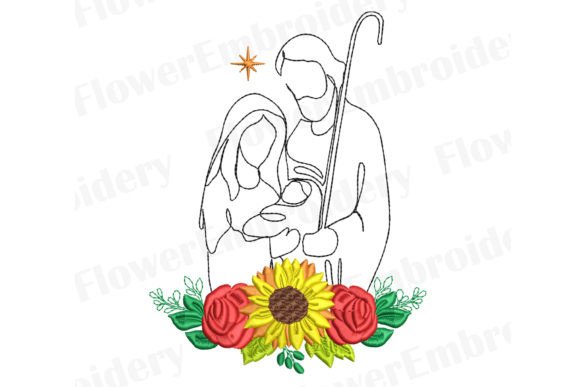
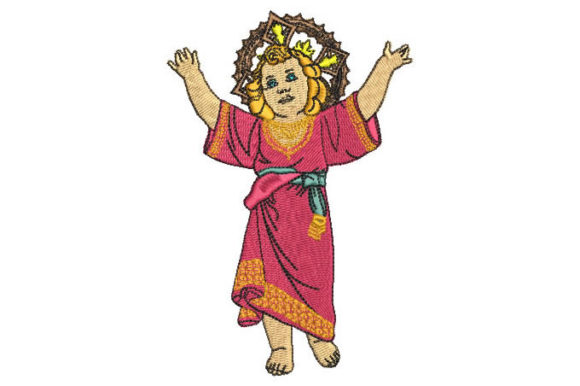
The immediate impression of Divine Child Jesus is one of softness and dignity. In embroidery, religious imagery can sometimes feel too rigid or overly complex, leading to stitching issues. However, this design strikes a careful balance. The layout feels organic, with lines that flow naturally rather than forcing the eye into awkward corners. For a designer, this suggests that the digitizer paid close attention to stitch direction and pathing.
The theme is clearly centered on faith and innocence, making it an ideal candidate for holiday embroidery or year-round spiritual gifts. The level of detail is sufficient to convey emotion without becoming so dense that it creates puckering on lighter fabrics. When I visualize this on a finished product, I see a piece that invites touch. It does not scream for attention with flashy, unnecessary elements; instead, it offers a quiet confidence that elevates the perceived value of the item it adorns.
Real-World Application: From Tote Bags to Baby Gifts
To truly understand the utility of this machine embroidery design, I imagined several specific scenarios where it would be used. Let us consider a custom embroidered tote bag. A canvas tote provides a stable, flat surface that is perfect for showcasing the intricate details of the design. Here, the contrast between the thread colors and the natural fabric texture would highlight the artistry. Customers looking for meaningful, handmade items would likely appreciate the thoughtful placement and clarity of the image.
Another strong use case is baby embroidery. Imagine this design stitched onto a soft muslin swaddle or a christening gown. Because the design avoids excessive density, it remains comfortable against sensitive skin, provided a proper stabilizer is used. For small business owners and Etsy sellers, this opens up a lucrative niche. Parents are often seeking personalized, faith-based items for milestones, and a well-executed Divine Child Jesus motif can become a signature product for a boutique shop.
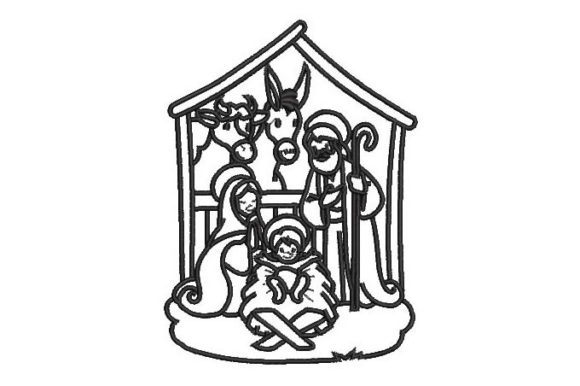
I also see potential in sweatshirt embroidery. Placed on the left chest or as a larger back piece, this design adds a layer of personal identity to casual wear. The key here is ensuring the hoop size matches the garment’s curvature. On a curved surface like a cap or a rounded shoulder, the design must be scaled appropriately to avoid distortion. If you are creating an embroidered patch to be ironed or sewn on later, this design’s clear outlines make it an excellent choice for cut-out applications.
Technical Considerations for Stitching Success
While the aesthetic appeal is strong, practical execution requires attention to technical details. One of the first things I check in any new embroidery file is the stitch density. If a design is too dense, it can cause fabric to pucker or threads to break. Divine Child Jesus appears to use a mix of satin stitch for borders and fill stitch for larger areas, which is standard for high-quality digitizing. However, I always recommend testing the design on scrap fabric before committing to your final material.
Fabric choice plays a crucial role. On thin or stretchy fabrics, such as jersey knits used in t-shirts, a cut-away stabilizer is non-negotiable to maintain shape. For woven fabrics like cotton or linen, a tear-away stabilizer might suffice, but testing is key. If you are working with dark fabric, consider how the thread colors will pop. You may need to adjust the color palette in your embroidery software to ensure the image remains visible and vibrant. A quick test in black and white mockups can help you verify that the contrast holds up even if the colors are subdued.
Another consideration is the hoop size. Since the product description mentions multiple file formats, you likely have options for different hoops. Always choose the largest hoop that fits your design comfortably to minimize re-hooping errors. If you are stitching on a textured fabric, such as a towel or a thick blanket, be aware that the pile can obscure fine details. In such cases, increasing the stitch length slightly or using a water-soluble topping can help the needles penetrate cleanly and keep the stitches visible.
Commercial Value and Brand Consistency
For craft business owners and digital product sellers, the commercial viability of a design is paramount. Divine Child Jesus fits well into the category of timeless, evergreen products. Unlike trend-driven designs that fade after a season, religious and spiritual motifs have enduring appeal. This makes them excellent assets for building a consistent brand identity. Whether you are selling custom apparel, home decor, or personalized gifts, this design communicates quality and care.
When listing items on platforms like Etsy, the visual appeal of your mockups matters. A clean, well-stitched example of this design can significantly boost buyer engagement. Use high-quality photos that show the texture of the stitches and the neatness of the backing. Customers trust what they can see clearly. If you are offering this as part of a printable mockup package or as a finished item, ensure that the presentation highlights the professionalism of the work.
It is also important to consider licensing. Before selling finished items or using this as a digital embroidery file in a commercial bundle, confirm the license terms. Most designers allow for physical sales of finished goods, but restrictions may apply to redistributing the file itself. Always check the specific terms provided with the purchase to protect your business and respect the creator’s rights.
Final Thoughts on Design Utility
In conclusion, Divine Child Jesus is a versatile and thoughtfully created addition to any embroidery library. It performs well across a range of applications, from delicate baby items to sturdy tote bags. Its strength lies in its balanced composition and adaptability to different fabrics and hoop sizes. For the experienced designer, it offers a reliable canvas for creativity. For the hobbyist, it provides a manageable yet impressive project.
Remember to always test on scrap fabric, check your tension, and select the right stabilizer for your material. By paying attention to these details, you can ensure that every stitched piece reflects the high quality of the original design. Whether you are creating holiday gifts, boutique merchandise, or personal keepsakes, this design offers the clarity and emotional resonance needed to create truly special handmade products.