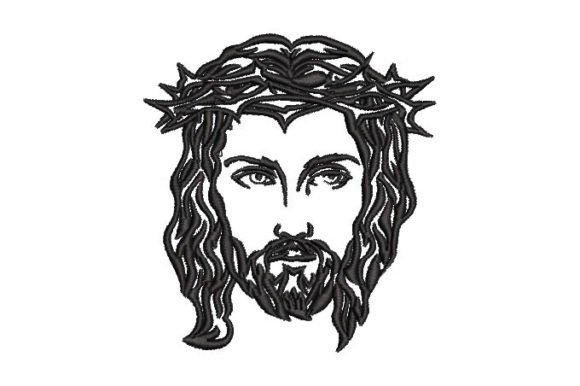
Reviewing the Jesus Face Machine Embroidery Design
As an embroidery designer who has spent years refining digitizing techniques for boutique apparel, I approach every new machine embroidery design with a critical eye. It is not just about whether the file runs; it is about how the final piece feels in the hand and looks on the shelf. Recently, I had the opportunity to test the Jesus Face Machine Embroidery design for an upcoming limited-edition sweatshirt drop. This project was intended for a small online shop focusing on meaningful, minimalist faith-based apparel. The goal was to create a piece that felt premium rather than promotional, and this specific design offered a unique artistic angle that caught my attention immediately.
First Impressions and Artistic Mood
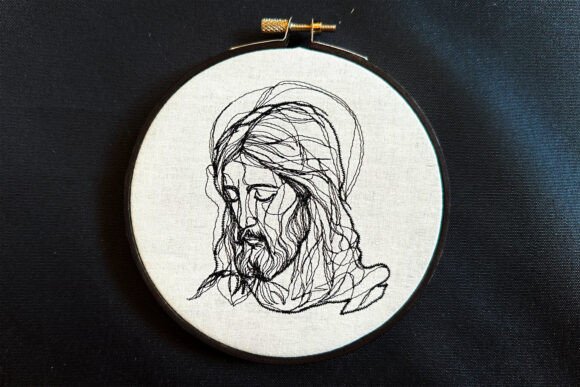
The first thing that strikes you about this embroidery file is its simplicity. Described as a stunning one-line artwork, it captures the face of Jesus Christ with a continuous, flowing line that evokes a sense of inspiration and humility. The downward gaze is particularly powerful; it suggests introspection and peace, which aligns perfectly with the quiet luxury trend currently dominating the handmade market. Unlike traditional, heavily filled religious icons, this design feels modern, decorative, and deeply personal.
From a design perspective, the mood is undeniably minimal yet bold. It does not shout; it whispers. This makes it incredibly versatile for a boutique brand looking to appeal to a younger demographic or those who prefer subtle expressions of faith. The lack of complex shading means the focus remains entirely on the form and the emotional weight of the subject. For an Easter collection, this design stands out because it moves away from typical pastel bunnies or crosses, offering instead a contemplative image that resonates with the deeper spiritual significance of the season.
Application on Sweatshirts and Hoodies
When planning sweatshirt embroidery, fabric texture plays a crucial role in how the stitches settle. I tested this design on several different bases to gauge its versatility. On neutral, heather-grey sweatshirts, the single-line style looked crisp and contemporary. The contrast between the thread and the fuzzy fabric texture created a soft, tactile finish that invited touch. For dark fabric options, such as charcoal or navy, I found that using a metallic gold or bright white thread elevated the design, giving it a premium, almost jewelry-like appearance on the chest.
For oversized hoodies, placement is key. A standard left-chest placement works well for a subtle look, but I also experimented with a larger scale on the back. Because the design is a single continuous line, it scales surprisingly well without losing its integrity, provided the stitch density is adjusted appropriately for the larger size. On pastel colors, the design felt cute and feminine, appealing to customers looking for gentle, everyday wear. The one-line technique ensures that the hoodie does not feel stiff or weighed down, maintaining the cozy, relaxed fit that customers expect from high-quality seasonal apparel.
Technical Considerations for Production
For any Etsy seller or small shop owner, technical reliability is non-negotiable. When working with a one-line design, the risk of thread breaks or loose ends can be higher if the digitizing is not precise. However, this digital embroidery file appeared to handle the transitions smoothly. That said, practical designer concerns must be addressed before full production. Since the description does not specify exact stitch counts or hoop sizes, it is vital to check these details in the included documentation before hooping your garment.
Stabilizer choice is critical here. For thick sweatshirt material, a cut-away stabilizer is recommended to prevent puckering, especially if you are scaling the design up for a back print. The hoop size should be selected based on your desired placement; a 4x4 inch hoop is sufficient for chest logos, while a 5x7 or larger may be needed for statement back pieces. I also paid close attention to thread color contrast. Because the design relies on a single line, there is no fill to hide imperfections. Using a high-sheen rayon or polyester thread helps the line pop against the matte fabric, ensuring the downward gaze remains visible and impactful.
Washing durability is another major factor for commercial apparel use. A single-line design generally holds up well because there is less thread mass to trap water or distort during drying. However, I always recommend testing a sample wash to ensure the thread does not fray at the start or end points. If the file includes proper tie-offs, the finished product should remain intact through multiple washes, maintaining the professional look required for customer trust.
Enhancing Brand Identity and Value
Incorporating the Jesus Face Machine Embroidery into your product line can significantly affect perceived value. In a market saturated with generic prints, embroidered items signal quality and effort. This design, with its artistic and humble aesthetic, helps build a brand identity centered on thoughtfulness and craftsmanship. It is not just a custom apparel item; it is a piece of wearable art.
For handmade product listings, visual recognition is key. This design photographs beautifully because of its clean lines. When creating printable mockup previews or lifestyle photos, the simplicity of the embroidery allows it to stand out without cluttering the image. This clarity can boost customer engagement, as buyers can instantly appreciate the detail and meaning behind the stitch work. For creative entrepreneurs, this design serves as a strong asset in building a cohesive collection that feels curated and intentional.
Final Verdict for Small Businesses
The Jesus Face Machine Embroidery is a compelling choice for designers looking to add depth to their small shop product lineup. It bridges the gap between traditional religious imagery and modern minimalist fashion. Whether used for a festive Easter release or a year-round faith-based collection, it offers flexibility in styling and placement.
- Versatility: Works on neutral, dark, and pastel fabrics.
- Aesthetic: Minimal, humble, and premium.
- Technical: Requires careful stabilizer selection and thread contrast management.
- Brand Fit: Ideal for boutiques focusing on meaningful, high-quality goods.
Before launching, ensure you review the specific file specifications regarding hoop limits and stitch density to match your machine’s capabilities. With proper preparation, this design can become a standout piece in your portfolio, offering customers a tangible connection to inspiration and humility through the art of Embroidery. It is a testament to how a simple line can carry profound weight, making it a valuable addition to any serious embroiderer’s library of design assets.